Lars Lang · 9 October 2026
Patterns of Group Behavior in Waterfront Casino Social Areas
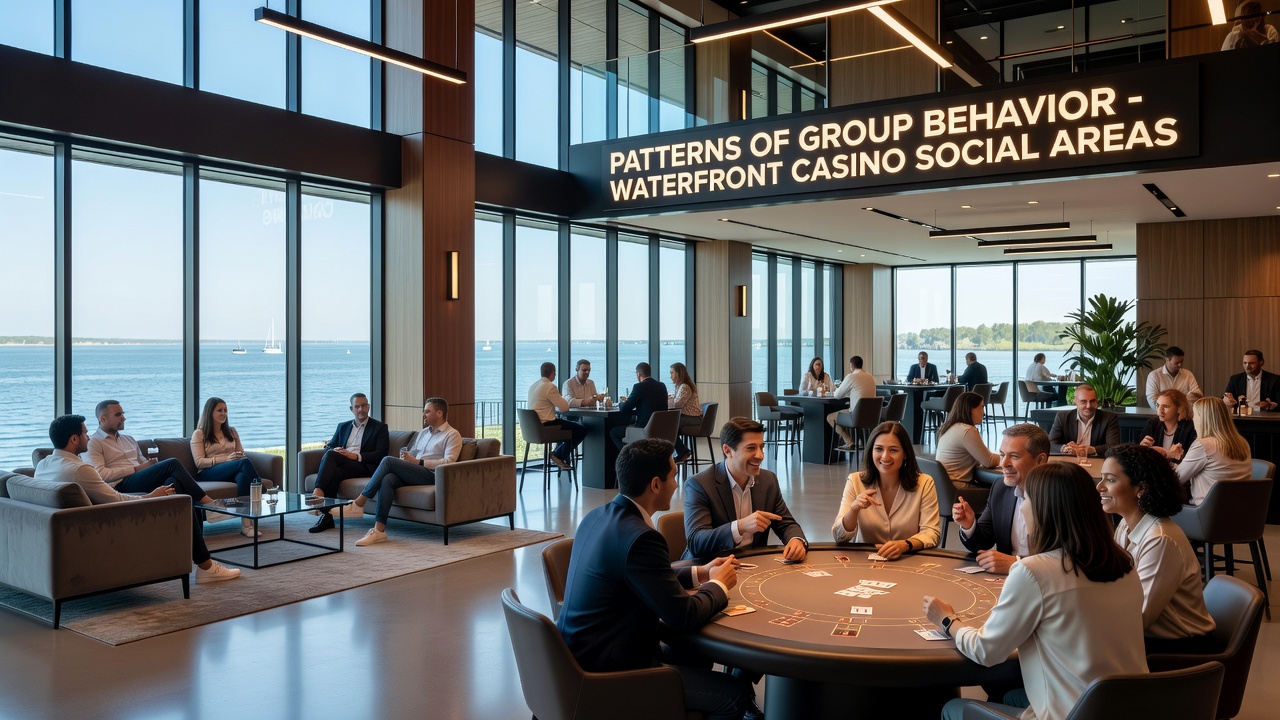
Observers note that waterfront casino social areas display consistent patterns of group formation, interaction, and movement throughout operating hours, with data from multiple jurisdictions tracking how clusters develop around bars, seating zones, and viewing platforms that overlook water. Research indicates these patterns shift based on time of day, with larger groups assembling during peak evening periods while smaller pairings dominate earlier slots. Studies from the University of Nevada's International Gaming Institute show that group sizes average between three and five individuals in these zones, often forming around shared activities such as conversation or beverage service rather than direct gaming participation. Those who've examined visitor logs across facilities in coastal regions find that proximity to water features influences positioning, as people frequently orient themselves toward views even when engaged in group discussions. Data from October 2026 reports released by the Nevada Gaming Control Board highlighted increased group density near outdoor-adjacent lounges during fall months, correlating with seasonal changes in foot traffic. Researchers discovered that these clusters tend to remain stationary for periods ranging from 20 to 45 minutes before dispersing or relocating, creating observable waves of activity that repeat across multiple nights.Formation Dynamics in Social Zones
Patterns emerge early in the evening as initial arrivals claim spots at central tables or along railings, prompting subsequent groups to position themselves in adjacent spaces that maintain line-of-sight connections. According to findings from the Australian Institute of Criminology, this sequential filling creates loose networks where individuals in one cluster may exchange brief nods or comments with members of nearby groups, establishing temporary social bridges without full integration. Evidence suggests waterfront elements accelerate this process because the scenic backdrop provides a natural focal point that reduces the need for constant verbal engagement within the group itself.
Turnout figures reveal higher concentrations of mixed-age groups on weekends, whereas weekday patterns lean toward professional cohorts that arrive together and maintain tighter formations. Those monitoring entry data across facilities note that groups entering via marina-adjacent entrances often exhibit different pacing compared to those arriving from street-level access points, with the former showing quicker transitions into seated arrangements. What's interesting is how these behaviors align with broader movement studies that track how external environments shape internal casino flows.
Interaction Patterns and Communication Styles
Communication within these groups tends to alternate between focused exchanges at tables and more open scanning of surrounding activity, allowing participants to monitor both their immediate circle and the larger space. Data shows that gestures and body orientations play significant roles in sustaining group cohesion, particularly in noisier environments where verbal cues compete with ambient sounds from slot areas or service stations. A report compiled by the Canadian Gaming Association documented that waterfront social zones record elevated rates of cross-group observation, with individuals frequently directing attention toward other clusters before returning focus to their own.
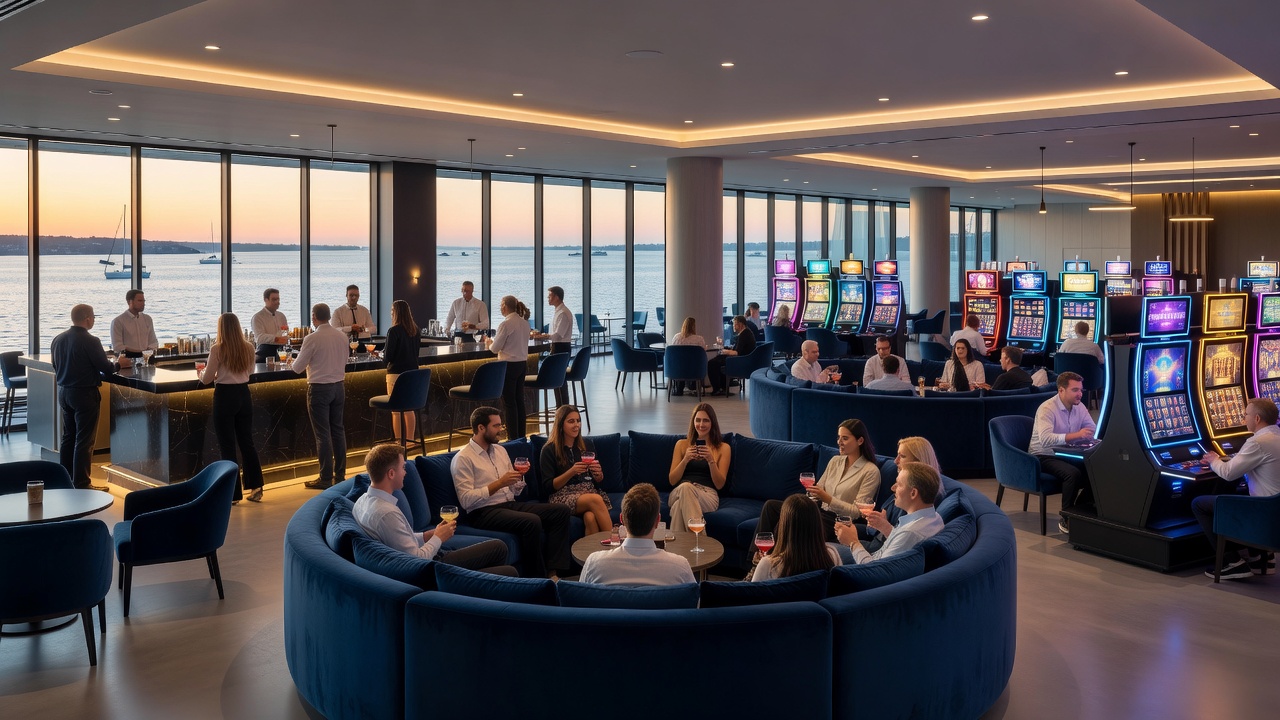
Observers have tracked how certain seating configurations encourage prolonged stays, such as circular arrangements that facilitate equal participation, whereas linear setups along windows promote parallel rather than direct interaction. Research indicates that beverage service acts as a recurring anchor point, prompting groups to reorder or refresh at predictable intervals that reset conversational energy. Figures from regulatory filings in New Jersey demonstrate that peak interaction density occurs between 8 PM and 11 PM, after which dispersal accelerates as groups either transition to gaming floors or exit entirely.
Temporal and Seasonal Variations
October 2026 data from multiple waterfront properties indicated that cooler evening temperatures prompted earlier clustering indoors near heated viewing areas, altering the usual spread across outdoor decks. Patterns shift further during special events when promotional activities draw temporary influxes that merge with existing groups, creating hybrid formations that dissolve once the event concludes. Those analyzing security footage across sites have identified recurring routes where groups circulate between social zones and nearby amenities, establishing loops that repeat with minor variations based on occupancy levels.
Evidence suggests that group behavior also responds to lighting changes, with dimmer evening settings correlating to more compact positioning while brighter transitional periods encourage wider spacing. Studies conducted in Singapore's integrated resorts found similar adaptations, where waterfront social areas near the bay exhibited consistent group reconfigurations tied to sunset timing and ambient illumination adjustments.
Conclusion
Overall patterns of group behavior in waterfront casino social areas reflect structured responses to spatial, temporal, and environmental factors that repeat across facilities. Data from diverse regulatory and academic sources continues to map these dynamics, providing measurable insights into how clusters form, interact, and disperse within these specific settings. Continued tracking through 2026 and beyond supports refined understanding of visitor movements in coastal casino environments.