David Bennett · 25 September 2026
Maritime Inspired Decor Trends Emerging in Regional Casino Relaxation Areas
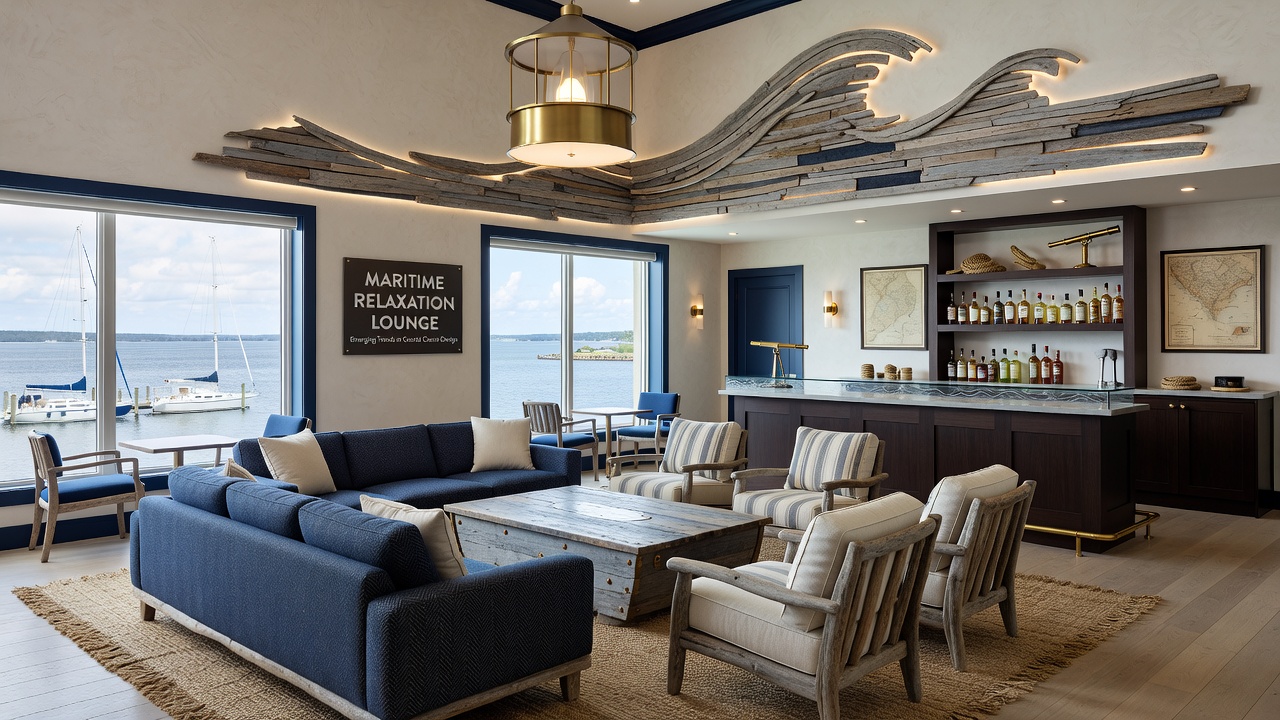
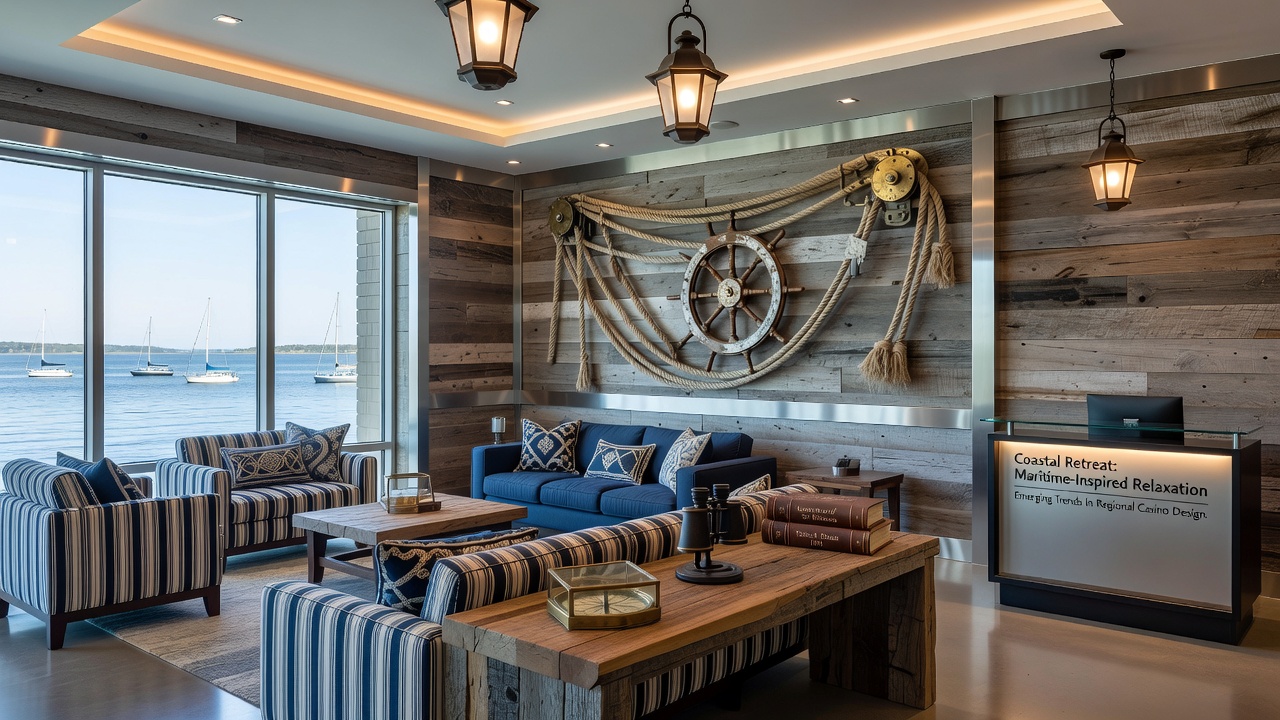
Regional casino operators have incorporated maritime themes into relaxation zones since the early 2020s, and by September 2026 those choices continued to expand across properties in North America and parts of Australia. Designers draw from coastal palettes, weathered woods, and nautical hardware to create spaces that differ from the high-energy gaming floors while still aligning with overall property branding. Observers note that these areas often feature deep navy walls paired with brass fixtures and rope-wrapped columns, elements that reference shipbuilding traditions without overwhelming the room.
Color Palettes and Material Choices
Design teams select muted sea tones such as slate blue, sage green, and sand beige for walls and upholstery, then layer in metallic accents in aged bronze or polished nickel. Fabric suppliers report increased orders for performance textiles printed with subtle wave patterns or abstract anchor motifs, while flooring contractors install wide-plank oak treated to resemble driftwood. These combinations produce environments that feel calm yet durable enough for high-traffic use, and regional properties cite maintenance records showing reduced wear compared with darker carpeted zones installed five years earlier.
Regional Examples and Implementation Patterns
Properties along the Gulf Coast and in the Great Lakes region have adopted similar approaches, though each adapts elements to local context. One Midwest casino renovated its players club lounge in 2025 using reclaimed pier pilings as seating dividers and canvas sail shades over reading nooks, while an Australian regional venue integrated lighthouse-inspired lighting fixtures that cast soft gradients across lounge seating. Data from the American Gaming Association shows that regional properties allocated between 8 and 12 percent of recent capital budgets to public space upgrades, with maritime themes appearing in roughly one third of those projects.
Take one property in Queensland where management partnered with local marine suppliers to source rope handrails and porthole mirrors for the spa-adjacent relaxation room. The installation completed ahead of the 2026 fiscal year and coincided with a measurable uptick in guest dwell time according to internal occupancy sensors. Similar projects in Canadian provinces have followed, often incorporating maple wood tones that echo regional shipbuilding history rather than tropical hardwoods used elsewhere.
Lighting, Furniture, and Acoustic Considerations
Lighting designers favor LED fixtures housed in lantern-style frames or recessed coves that mimic portholes, delivering 3000K color temperatures that reduce eye strain during extended stays. Furniture selections include low-profile sofas with nailhead trim and occasional tables shaped like ship wheels or compass roses, while acoustic panels covered in linen or burlap help dampen ambient noise from adjacent gaming areas. Research from hospitality engineering groups indicates that these layered lighting and material strategies correlate with lower reported fatigue scores among patrons who use the spaces for more than forty-five minutes.
Integration with Technology and Accessibility
Modern maritime schemes also accommodate digital needs, with charging stations concealed inside wooden crates styled as shipping containers and Wi-Fi routers mounted behind decorative life-preserver rings. Accessibility requirements drive the inclusion of wider pathways between seating clusters and adjustable-height tables that maintain the visual language of deck railings. According to figures from the Canadian Gaming Association, properties that updated relaxation zones with these combined features recorded a 15 percent increase in positive accessibility feedback during 2025 guest surveys.
Supply Chain and Sustainability Factors
Procurement teams source materials from vendors who certify sustainable forestry practices or recycled content, aligning with broader industry goals outlined in reports from the National Indian Gaming Commission. Rope and canvas elements often come from marine suppliers already serving commercial fleets, which reduces lead times and costs. Observers note that this overlap allows regional casinos to refresh decor on shorter cycles than full property remodels would permit, keeping spaces current without major capital outlays.
Conclusion
Maritime inspired elements continue to appear in regional casino relaxation areas as operators balance guest comfort, maintenance needs, and brand differentiation. The trends documented through September 2026 reflect incremental adoption rather than wholesale reinvention, with color, material, and fixture choices adapting to each property's location and budget. Industry data and project records show consistent application across multiple jurisdictions, and the approach remains a practical option for venues seeking distinctive yet functional public spaces.