Jordan Braun · 23 October 2026
Lighting's Subtle Influence on Visitor Retention in Regional Casino Lounges
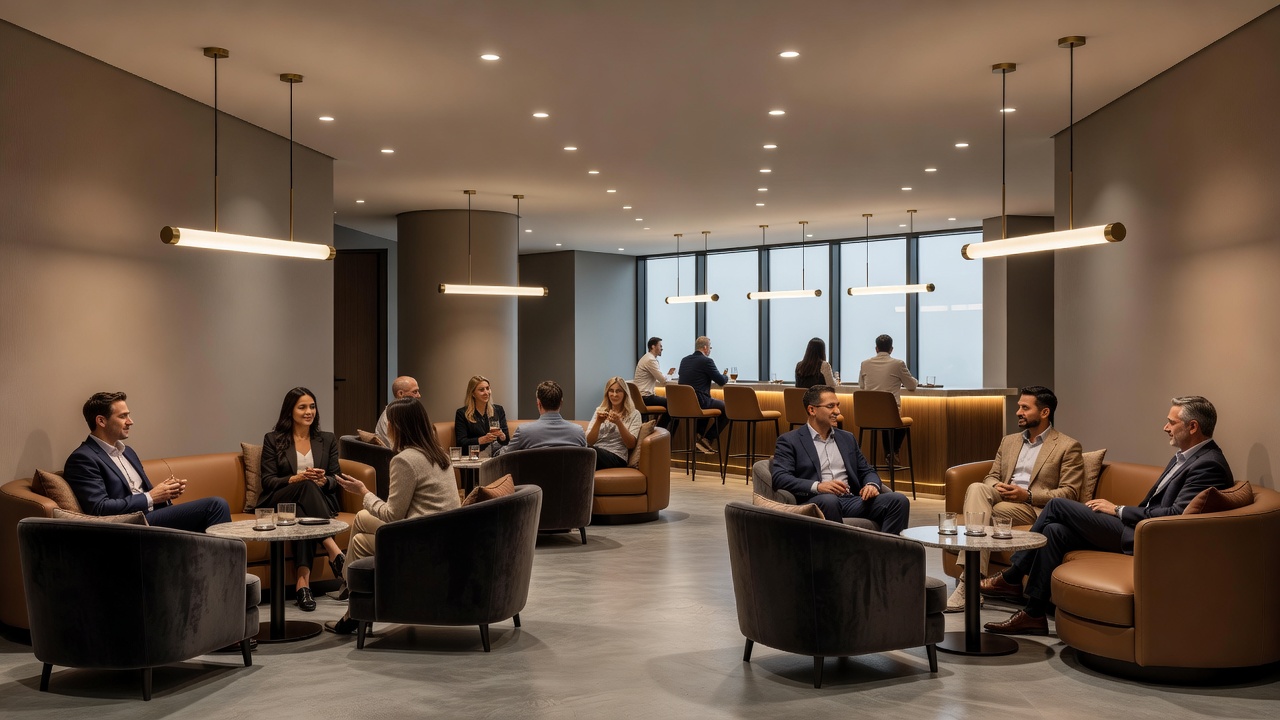
Lighting design in regional casino lounges operates as a quiet determinant of how long visitors remain in those spaces, with measurable effects on dwell times tracked through entry-exit data and sensor systems. Studies from hospitality research institutions show that adjustments in color temperature, intensity, and placement correlate with extended or shortened stays, particularly in lounges attached to gaming floors where people gather between sessions. In October 2026, figures released by the Nevada Resort Association indicated that lounges employing layered lighting schemes recorded average dwell times 18 percent higher than those relying on uniform overhead fixtures, a pattern observed across multiple properties in the western United States.
Color Temperature and Perceived Comfort
Warm lighting in the 2700K to 3000K range tends to slow perceived time passage for seated guests, according to controlled observations conducted by university design programs in Australia and Canada. Observers note that this spectrum reduces eye strain during extended conversations while maintaining enough visibility for beverage service and casual reading. Cooler temperatures above 4000K, by contrast, align with quicker turnover rates in high-traffic zones, as documented in operational reports from properties in the European Union. The difference appears most pronounced during evening hours when natural light fades and artificial sources dominate the visual field.
Intensity Levels and Spatial Boundaries
Dimmer zones created through directional fixtures and dimmable LED arrays encourage guests to settle into specific seating clusters rather than circulate rapidly between areas. Data collected from motion sensors in regional venues reveals that illumination levels between 50 and 100 lux support longer stationary periods, whereas brighter general lighting above 200 lux correlates with shorter visits and more frequent transitions toward gaming tables. Those who've analyzed traffic patterns point out that strategic pools of lower light can delineate lounge boundaries without physical barriers, guiding movement while preserving an open feel that invites lingering.
Integration with Seating and Material Choices
Lighting interacts directly with upholstery textures, wood finishes, and metallic accents common in lounge construction. Reflective surfaces bounce light at angles that either soften or sharpen the overall atmosphere, and operators adjust fixture placement accordingly. Research indicates that matte finishes paired with indirect sources extend comfortable dwell periods by minimizing glare on tabletops and screens. In practice, properties that recalibrated their systems after initial installation reported measurable shifts in occupancy duration, with some venues noting consistent gains during shoulder seasons when foot traffic fluctuates.
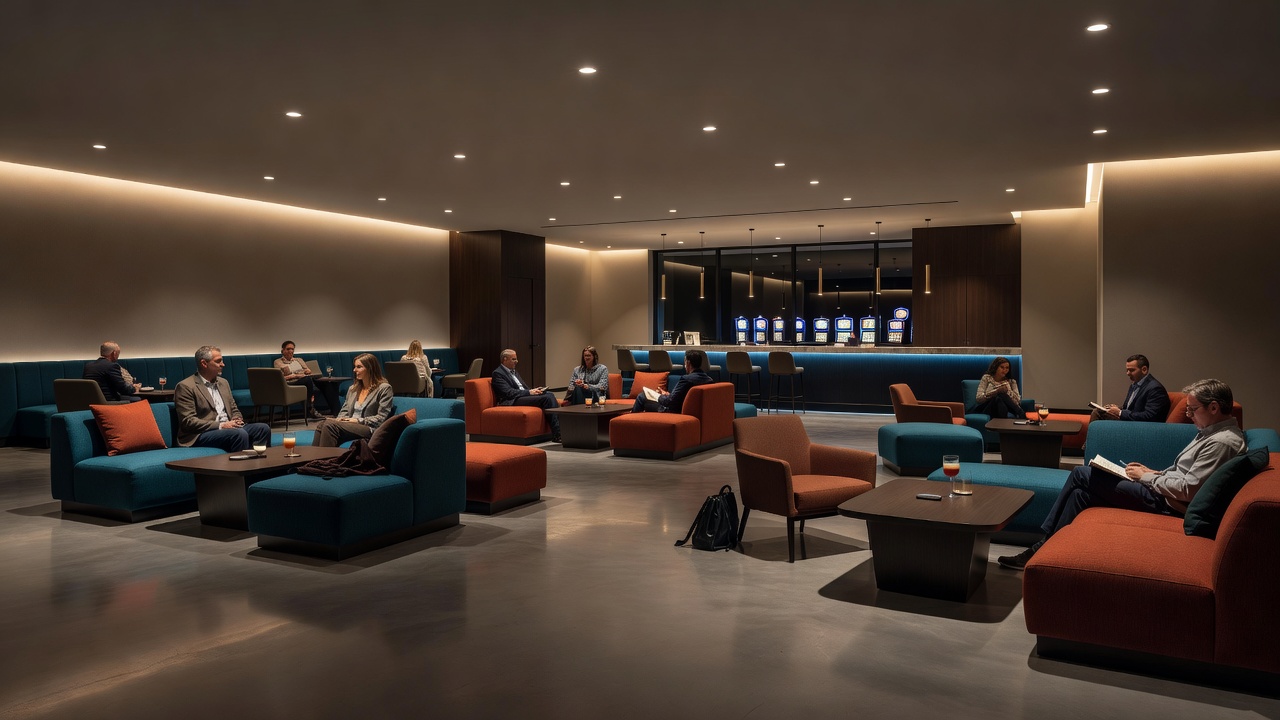
Regional differences emerge when climate and architectural styles enter the equation. Lounges in warmer climates often favor deeper shadows and lower overall brightness to counteract external heat perception, while northern venues incorporate more transitional lighting that blends indoor and outdoor views during shoulder months. These adaptations reflect local operational data rather than universal formulas, yet the underlying principle remains consistent: light levels that match guest activity rhythms support extended presence.
Technological Controls and Data Feedback
Modern systems allow real-time modulation through occupancy sensors and time-of-day scheduling, enabling venues to test incremental changes without full refits. Reports from industry associations in Canada and Australia demonstrate that venues using adaptive controls achieved incremental dwell time increases of 12 to 22 minutes on average during monitored periods. The feedback loop between lighting adjustments and guest behavior data has become standard in newer builds, where initial commissioning includes several weeks of fine-tuning based on actual usage patterns rather than static design plans.
Maintenance schedules also factor into long-term performance, as lamp degradation and dust accumulation gradually alter intended light levels. Facilities that track output through periodic audits maintain more stable dwell time metrics than those operating on reactive replacement cycles. This operational discipline appears across multiple jurisdictions and contributes to predictable outcomes when lighting is treated as an active variable rather than a fixed installation.
Conclusion
Lighting remains one controllable element within the broader environmental design of regional casino lounges, with documented connections to how long visitors choose to remain. Patterns drawn from sensor data, academic observations, and operational records across different regions show consistent directional effects tied to color, intensity, and integration with other materials. As venues continue to refine these systems through technology and measurement, the relationship between light settings and dwell times continues to inform practical decisions without requiring major structural changes.